
A few weeks ago, my 5-year-old daughter said something that stopped me in my tracks.
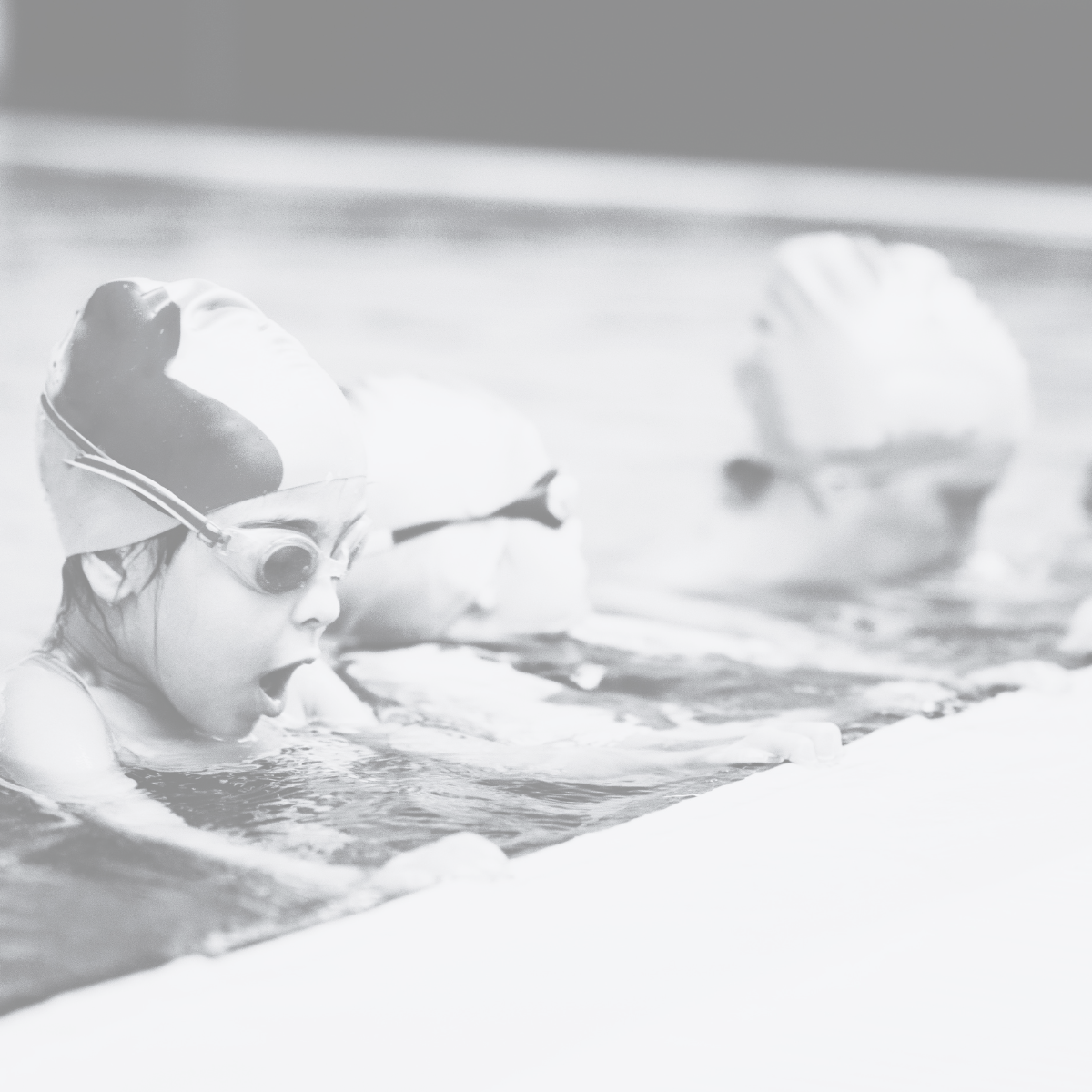
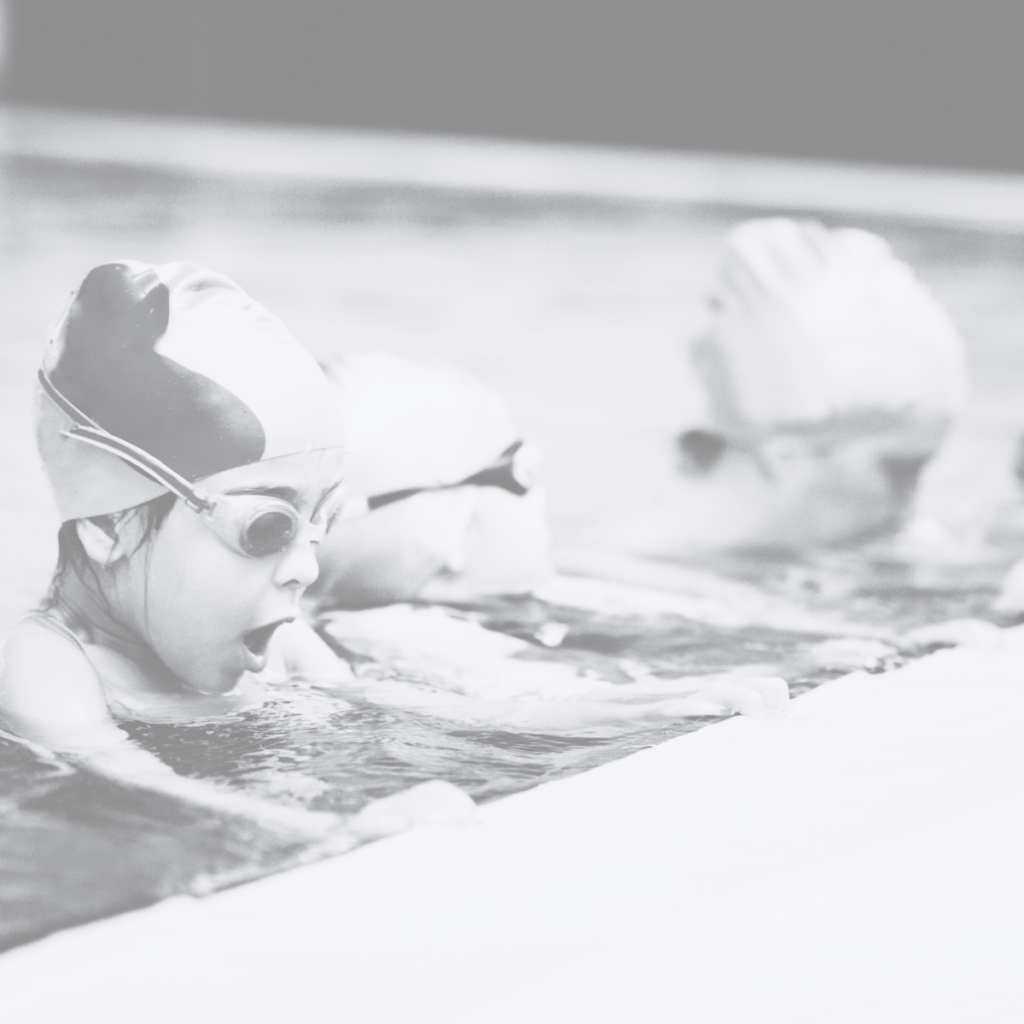
She takes swim lessons with a fun, funny, lighthearted male instructor who she likes. Because swim lessons are innately physical, and with my background and experience of child sexual abuse, I always keep a close eye on what’s happening during each lesson.
I hadn’t noticed any red flags, but one day on the way into class she said:
“I don’t like it when he tickles me. Can you ask him not to?”
Of course I immediately assured her I would talk to her swim instructor, and we kept talking. In the course of our conversation, she shared that she was worried about asking him to stop tickling her because she was afraid that it wouldn’t be “kind.”
My six-year-old daughter was more concerned with her adult male swim instructor’s feelings than her own safety and comfort. It shook me.
How does the daughter of a women’s rights attorney already have this messaging inside of her?
The messages we can’t filter
We tend to assume that people-pleasing and the pressure to prioritize others don’t take hold until middle school. But girls as young as 5 are already absorbing the message that they need to be sweet, agreeable, and above all — liked.
When a girl believes that being liked matters more than feeling safe and comfortable, she’s reflecting what she’s hearing, watching, and being told — at school, in after-school activities, and among her peers.
No matter how intentional we are at home, we can’t fully filter the messages our daughters absorb from the world around them.
The importance of setting boundaries for parents and children
The danger we overlook isn’t strangers — it’s teaching kids they don’t have the right to say no to people they know and like.
It doesn’t matter that my daughter’s swim instructor is kind and was being playful with his tickling. She didn’t like it, and that’s enough.
Our children need to be explicitly taught and supported in setting boundaries that protect their autonomy:
- Your body is yours.
- Your feelings matter.
- You are allowed to say no, even to a safe, familiar, well-meaning adult.
Empowering our kids to listen to their bodies, trust their instincts, and say no is one of the most powerful things we can do to protect them. And for our young girls, teaching these boundaries (and reinforcing them as parents) will help override the systemic expectation of being “nice.”
A how to guide: Boundaries for parents
It can be challenging to teach your kids how to set their own boundaries about their body and feelings.
Here are a few simple steps you can follow to help your child understand the importance of respecting and honoring their own needs, even when it goes against what an adult, teacher, or authority figure says or does.
- Make it clear their comfort comes first.
Share examples of when a teacher, coach, or adult may do something that makes them feel uncomfortable. Be clear: “You never have to let someone touch you or talk to you in a way you don’t like, even if they are nice or in charge or just being funny.” - Give them words to use.
Children will often freeze if they don’t know what to say. Practice simple, direct phrases your child can use if they find themselves in this circumstance. Teach them that no is a complete sentence, and they don’t need to apologize if someone else is doing something they don’t like.
“Please don’t tickle me.”
“I don’t like that.”
“Stop.” - Remove the pressure to be nice.
Most kids can’t separate the nuance of kindness, so help them understand where to draw the line. Give them permission to put their own needs and safety above anyone else’s feelings.
“It’s not your job to protect a grown-up’s feelings.”
“You are a kind person, but that doesn’t mean you have to let people do or say things you don’t like.” - Model advocacy.
Let your child see you set the boundaries you’re teaching them about. You can role play this within your family or speak to an adult if this situation has happened in real life.
Model what it sounds like to calmly, clearly tell an adult “She doesn’t like this, please stop,” without apologizing or overexplaining.
Change the messaging
We can’t control every message our kids absorb, but we can actively teach them a better one.
Start these conversations earlier than you may think you need to, and model the self-trust and self-respect you want them to develop within your home.
Here are some powerful ways to help your children overcome the need to be nice and prioritize their safety and well-being:
- Normalize saying no.
- Let your child decline hugs or physical touch from anyone, including teachers, you, and other family members.
- Encourage them to be assertive and share their opinion and thoughts.
- Don’t require immediate compliance. Give your child room to ask questions and evaluate the decision without enforcing blind obedience.
- Practice boundary language regularly.
- Make consent and bodily autonomy part of play.
- Be mindful of when and how you speak up for yourself or your children.
Unfortunately, the societal expectation to be a “nice girl” hasn’t faded as much as I would have hoped.
But we have the tools and the power to teach our kids that they never have to be nice at the expense of themselves. Their bodies are theirs. Their feelings are valid. And when we empower and equip them to stand up for themselves, we help rewrite their internalized beliefs.
One of the best ways we can protect our children is to raise them to trust themselves, use their voices, and deeply believe that their comfort matters.
If your parent, school, or community group is interested in proactively protecting and supporting your children’s safety, click here to learn more about the training, resources, and tools I can provide.